


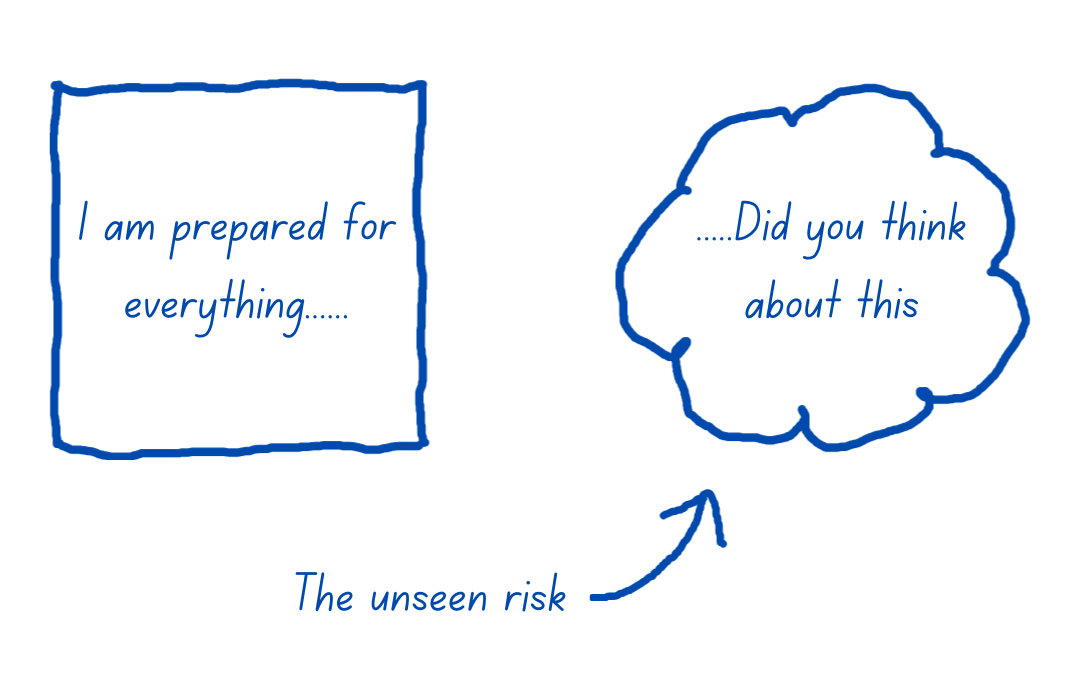
Risk can be unseen because you didn't factor in something.
You get better at managing risk the more you see different situations play out. But you are not very good at preparing for something you can’t even think about. How do you prepare for something you haven’t thought about yet?
It’s not the deer that you see coming that will total your car…. It’s the one you don’t.
Let me be clear: I don’t know the future and what it holds.
The point is simple. At Spearman Financial Services, we have prepared and seen a lot of people go through retirement. You have one shot at this. We would love to help you craft your own unique financial plan!
To help you possibly avoid some of the unseen risks, I am going to leave you with some “spending guidelines.”
Housing: I usually encourage people to spend no more than 28% of your gross monthly income on housing. This includes principal and interest, property taxes, insurance, utilities, HOA fees, lawn care, and anything else that you pay for monthly because you own a home.
Example: $100,000 gross household income: $2,333 per month max on “housing” costs
Vehicle: I like to see people spend no more than 10% of their take-home monthly income on all their transportation costs. This includes vehicle payments, insurance, and fuel.
Example: $100,000 gross household income: Approximately $625 per month max on “vehicle” costs
Saving and Investing: I encourage people to set around 25% of their paycheck for short-term savings, mid-term goals, and retirement. This could be a combination of saving for a vacation, investing for a house down payment, or putting money away for retirement.
Example: $100,000 gross household income: $2,083 per month divided into savings, brokerage, Roth IRA, etc.
Emergency Fund: I like to see people keep around 3-6 months' worth of expenses in cash for an emergency fund. Based on variables such as household income and job security, this benchmark is subject to change.
Example: $5,000 of after-tax expenses: Approximately $15,000 - $30,000 set in cash reserves
Credit Card Debt: The goal is to have a 0 balance on all of your credit cards each month.
Example: Pay off your full credit card balance every month.
Keep in mind, with all of these “guidelines” there are going to be exceptions and gray areas. Sometimes, there may even be recommendations I make that don’t 100% align with the guidelines because of someone's unique situation. For example, some people might want or need more cash on hand than the “guidelines” say, or someone with no mortgage could possibly spend more on nicer vehicles. These are just guidelines that I wanted to share with you to hopefully assist you in weathering any unseen risks you may not have thought about.
If you want to explore how I could help you with all of this and more with your financial plan, I encourage you to use the button below to schedule a meeting.
Additional Disclosures: The material contained in the newsletter is for informational purposes only and is not intended to provide specific advice or recommendations for any individual nor does it take into account the particular investment objectives, financial situation, or needs of individual investors. All examples are hypothetical and are for illustrative purposes only.